Life Slice
  • General Info & Blog
    • YardTalk Blog
    • Investigate Sustainable Living
    • About Life Slice
    • FAQs
    • Contact Us
    • Resources
  • Gardening
    • How to Start a Garden>
      • Building Sustainable Soil
      • Composting & Mulching
      • Garden Fencing
      • Irrigation
    • Organic Pest and Plant Disease Control
    • How to Collect, Store and Prepare Seeds
    • How to Start Plants from Seeds
    • Transplanting and Potting Up
    • How to Grow and Use Culinary Herbs>
      • Companion Planting Culinary Herbs
    • Companion Planting Guide
    • Cool season gardening
    • Warm season gardening
    • Propagating - How to Grow Plants from Cuttings
  • Orchards
    • Organic Orchard Planning
    • Selecting Tree Varieties
    • How to Plant a Tree
    • Tree Care and Pruning
    • When to Harvest Fruit
  • Poultry & Backyard Farm Animals
    • Chicken Overview >
      • Best Chicken Breeds for the Backyard
      • Buying, Incubating and Raising Chicks
      • How to Build a Chicken Coop and Free Ranging
      • Nesting Boxes
      • Chicken Feed
      • Chicken Water and Watering Options
      • Egg Collection, Cleaning & Storage
    • Guinea Fowl
    • Dairy Goat Overview & Breed Information>
      • Fencing & Gates
      • Barns and Milking Rooms
      • Feed and Nutrition
      • Trimming Hooves
      • Health, Vaccinations & Worming
      • Buck Information
      • Breeding & Care of the Pregnant Doe
      • Kidding: Signs of Goat Doe Labor and Delivery
      • Goat Kid Feeding, Care, Handling and Training
      • How to Hand Milk a Goat
      • How to Dry Off (Stop milking for the Season)
  • Recipes & How Tos
    • About Goat's Milk >
      • Processing Goat's Milk for Human Consumption
      • How to Clean Milk & Cheese Making Equipment
      • Cheese Basics and Recipes>
        • Cheese Making Equipment
        • Ingredients for Making Cheese
        • Chevre
        • Creme Fraiche
        • Haloumi
        • Mozzarella
        • Ricotta
        • Queso Blanco
        • Squeaky Cheese
      • How to Freeze Milk
    • Garden to Table Recipes>
      • Sauces & Salsas
      • Appetizers, Soups & Small Plates>
        • Salads
        • Soups
        • Cheese Appetizers
        • Figs
        • Savory Crab Bites: Savoureux Gateau de Crabe en Pate
      • Egg Dishes>
        • How to Boil an Egg
        • Deviled (Stuffed) Eggs
        • How to Fry an Egg
        • How to Cook an Omelette
        • Poached Eggs
        • Egg Salad
        • Quiches & Custards
        • Scrambled eggs
        • Souffles
      • Main Dishes
      • Side Dishes
      • Desserts
    • Wild Harvests
  • Green Living
    • Green Cleaning Solutions
    • Alternative Energy: Solar Power
    • Rainwater Collection
    • Permaculture
    • Composting & Mulching
Loading

Yummy ideas for bringing your harvest to the table

The reward

Now is that wonderful time when the fruits of your labor have paid off and it's time to figure out what to do with the food that you've raised. It seems inevitable - especially when you are first getting started, that you'll have some ingredients you've probably raised own your own - and not some of the others. Also, the saying "feast of famine" is a very real one when raising your own food. Some crops will flourish, others will not produce as you hoped. 

Often you'll wait for weeks or months for the first luscious tomato or cucumber and then proudly display the first few like they were you're own children. However, you'll soon likely have plenty and then you can investigate options like canning and storing your produce for future use. Then when winter rolls around and you are able to pull out some of your summer produce - you'll feel proud and happy, while starting to get an itch for spring to come and get back in the garden again.

    Winter ideas

    Depending on where you live, you might be experiencing any one - or perhaps all of the below scenarios. 
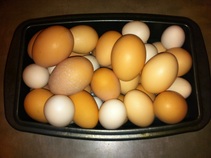
    • Chickens much prefer colder weather to extremely hot, check out what do with lots of eggs.
    • Spinach, chards, lettuces, micro-greens and cool weather herbs are thriving in more temperate climates. Be creative and mix together a variety of greens for a delicious salad.
    Picture

    Seasonal Tips

    Create a free website with Weebly